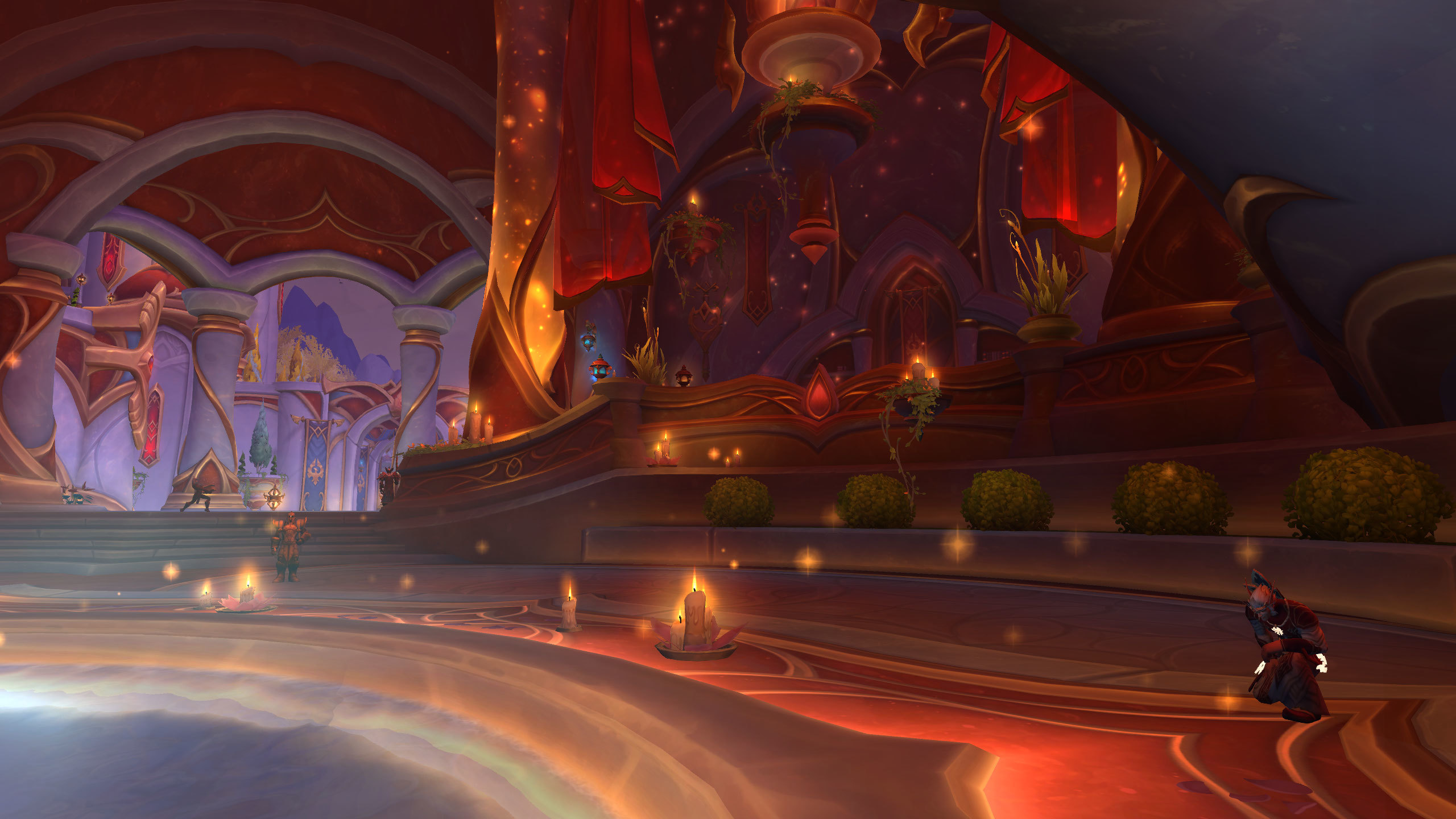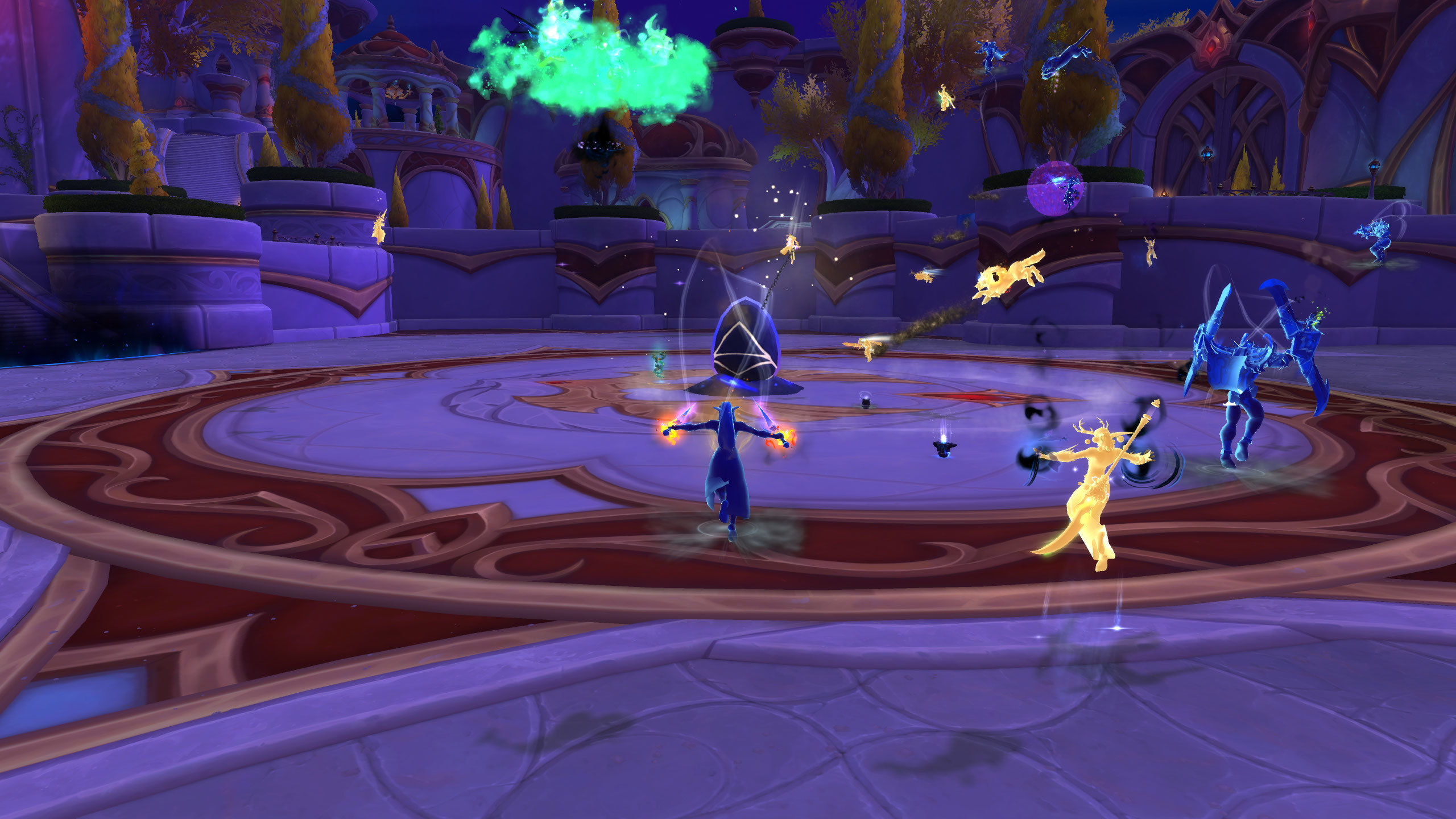
Introduction: The Gold Standard of MMO Raiding
For nearly two decades, World of Warcraft (WoW) has defined the pinnacle of MMO PvE gameplay through its raiding system. While many MMOs offer endgame PvE content, WoW’s raid design, difficulty scaling, and coordination requirements place it in a league of its own.
Raiding in WoW is more than just fighting bosses—it’s about teamwork, execution, adaptation, and continuous improvement. Players must not only master their class but also work together as a unit, making raid encounters a true test of skill, mechanics, and endurance.
So, what makes WoW raiding the ultimate MMO PvE challenge? Let’s explore how boss complexity, progression difficulty, and team coordination make WoW’s raids stand above the rest.
The Complexity of WoW Raid Mechanics
1. Boss Encounters Designed to Push Players to Their Limits
Unlike standard dungeon fights, WoW raids feature intricate multi-phase boss encounters that require players to adapt, coordinate, and execute mechanics flawlessly.
- Reactive Mechanics: Players must respond to changing phases, avoid deadly AoE attacks, and handle positional challenges dynamically.
- Unique Class Responsibilities: Tanks must manage aggro and cooldowns, healers must balance mana efficiency and burst healing, and DPS must execute damage rotations while maintaining survivability.
- Personal Responsibility: Unlike casual PvE content, one mistake in a Mythic raid can lead to a full wipe, putting immense pressure on individual players.

Each encounter is a puzzle, where every player has a role in ensuring victory.
2. Multi-Phase Fights That Demand Adaptation
The best MMO raid content challenges players by evolving encounters over time. In WoW, bosses have multiple phases, requiring the raid to adjust strategies mid-fight.
For example, in Castle Nathria’s Sire Denathrius fight (Shadowlands):
- Phase 1 requires coordination to manage targeted attacks and spread mechanics.
- Phase 2 shifts into movement-intensive mechanics where players must position perfectly.
- Phase 3 becomes a frantic race against time, with overwhelming damage requiring perfect execution.
This multi-layered design keeps encounters engaging and forces players to think critically, rather than simply repeating the same actions for the entire fight.
The Difficulty of Raid Progression in WoW
1. The Steep Learning Curve from Normal to Mythic
WoW raiding offers multiple difficulty levels—Normal, Heroic, and Mythic—each presenting unique challenges.

- Normal mode introduces raid mechanics in a more forgiving way.
- Heroic mode significantly increases damage and complexity, requiring a well-prepared team.
- Mythic raiding, however, is the pinnacle of PvE difficulty, often requiring weeks or months of progression to master encounters.
In Mythic raids, even the smallest mistakes can wipe the group, making every attempt a high-stakes learning experience.
2. The Need for Gear Optimization and Preparation
Unlike many MMOs where boss fights are purely skill-based, WoW raiding combines mechanical execution with gearing requirements.
To succeed in Mythic raids, players must:
- Farm Mythic+ dungeons for optimal pre-raid BiS gear.
- Optimize their gear stats and enchants for maximum performance.
- Manage consumables like flasks, food, and potions to boost damage and survivability.
- Utilize addons and macros to enhance reaction time and improve mechanical execution.
Without proper preparation, even the best players will struggle to progress in high-end raiding.
The Coordination Required for WoW Raiding Success
1. The Role of Teamwork and Communication
While many MMOs feature group-based PvE, few require the level of coordination seen in WoW’s raid content. Mythic bosses are designed so that no single player can win the fight alone—teamwork is the foundation of success.

- Voice communication (Discord, TeamSpeak) is mandatory for Mythic raiding.
- Each raid member has a specific responsibility (interrupts, cooldown rotations, positioning).
- Guild leaders and raid officers must coordinate strategies and callouts.
In encounters like Jailer (Sepulcher of the First Ones, Shadowlands) or Uu’nat (Crucible of Storms, Battle for Azeroth), a single missed mechanic can doom an entire raid, making communication and coordination essential.
2. Guilds and the Social Challenge of Mythic Raiding
Mythic raiding is not just about personal skill—it’s about finding the right team and fitting into a structured group environment.
- Raid schedules demand commitment, sometimes requiring players to dedicate 10+ hours per week.
- Guilds often have strict recruitment criteria, making it difficult for casual players to step into Mythic progression.
- Players must balance raid performance with real-life responsibilities, making long-term engagement a social challenge.
Unlike single-player content, success in WoW raiding depends on relationships, teamwork, and dedication—something few MMOs demand at this level.
Why WoW Raiding Stands Above Other MMO PvE Content
1. The Ever-Evolving Meta Keeps Raids Fresh
Unlike many MMOs with static raid mechanics, WoW continuously updates and rebalances classes, abilities, and encounters, forcing players to adapt to a shifting meta.

- Some classes rise to dominance while others fall behind, requiring rerolls.
- New expansions completely redefine raid mechanics, ensuring fresh experiences.
- Patch updates tweak encounters, sometimes making previously easy fights significantly harder.
This constantly evolving PvE landscape keeps raiding dynamic, rewarding, and endlessly engaging.
2. The Prestige of High-End Raiding and World First Races
One of the biggest appeals of WoW raiding is the competitive scene. No other MMO has a race-to-world-first scene as intense as WoW.
- Top guilds like Echo and Liquid invest hundreds of hours into achieving world-first kills.
- Blizzard actively supports the world-first race, adding to the spectacle of high-end PvE.
- Clearing Mythic raids before nerfs grants exclusive prestige, rewards, and achievements.
For PvE players, achieving Cutting Edge (CE) raid achievements is one of the highest honors in the WoW community, cementing raiding as the ultimate PvE challenge.
The Psychological and Strategic Depth of WoW Raiding
Beyond mechanics, coordination, and preparation, World of Warcraft raiding presents a mental and strategic challenge that sets it apart from other MMO PvE experiences. The best raid teams aren’t just highly skilled—they’re also mentally resilient, adaptable, and strategically intelligent.
The Mental Challenge of High-End Raiding
1. Endurance and Focus Over Long Progression Cycles
Mythic raid progression is a marathon, not a sprint. It often takes weeks or even months for guilds to fully clear a new raid on the hardest difficulty. This extended timeframe tests players’ patience, discipline, and focus.
- Some bosses take hundreds of pulls to master, meaning players must endure constant failure before success.
- Fatigue plays a major role in long raid nights, requiring players to stay mentally sharp for multiple hours.

- Progression requires problem-solving, as each failed attempt provides new data for refining strategies.
Unlike single-player PvE challenges, WoW raiding is a constant process of trial and error, demanding a high level of resilience from raiders.
2. The Ability to Learn and Adapt to New Mechanics
Each new raid tier introduces brand-new mechanics, unique boss designs, and shifting meta changes. Unlike some MMOs, where encounters feel formulaic, WoW consistently introduces innovative mechanics that challenge players to think differently.
- Fights like Mythic Kil’jaeden (Tomb of Sargeras) required near-perfect positioning and rapid adaptability.
- The Jailer (Sepulcher of the First Ones) forced players to handle reality-warping mechanics across different dimensions.

- Uu’nat, Harbinger of the Void (Crucible of Storms) introduced a multi-phase fight with unpredictable environmental effects.
These complex, evolving mechanics force raiders to quickly learn, adapt, and execute strategies under pressure, making the challenge both mechanical and intellectual.
3. Managing Performance Anxiety in High-Stakes Encounters
High-end raiding introduces psychological pressure that affects performance. The best raiders must learn to manage stress, expectations, and self-improvement.
- Guild expectations can be intense, especially in high-tier Mythic progression groups.
- The pressure of executing mechanics perfectly (e.g., handling a key interrupt or positioning a boss correctly) can cause panic and mistakes.
- Players must develop mental resilience, especially when one person’s mistake can wipe the entire group.
Handling this high-pressure environment is one of the reasons WoW raiding is considered the peak of MMO PvE content—only the best players can consistently perform under stress.
The Strategic Depth of Raid Team Management
1. Raid Leadership and the Role of Shot Callers
A great raid team isn’t just a group of skilled individuals—it’s a well-oiled machine led by experienced shot-callers and strategists. Raid leaders have to:
- Analyze logs and break down fights step by step.
- Assign roles, cooldowns, and movement strategies for each phase.
- Adjust tactics in real-time, responding to changing circumstances mid-fight.
Unlike casual dungeon groups, raiding requires a structured leadership approach to ensure all 10-20 players perform as a cohesive unit.
2. Managing Roster Composition and Class Balance
Successful raid teams need balanced class compositions, ensuring that:
- Tanks can efficiently mitigate boss mechanics and control adds.
- Healers can maintain raid-wide survivability without exhausting mana too soon.
- DPS players can provide both single-target burst and AoE damage when required.
Some fights favor specific class abilities, meaning raid leaders often have to rotate players in and out of encounters to optimize performance. This level of strategic depth and flexibility is rarely seen in other MMO PvE systems.
3. The Hidden Economy of Raiding: Consumables, Repairs, and Logistics
Mythic raiding isn’t just a test of mechanical skill—it also requires significant resource investment. A single night of progression can cost thousands of gold per player, as raiders need:
- Flasks and potions for damage, healing, and survivability.
- Food buffs to maximize primary and secondary stats.
- Enchantments and gem sockets for gear optimization.
- Gold reserves for armor repairs after repeated wipes.
Some guilds even require raiders to farm their own consumables or contribute to guild-wide resources, adding an economic layer to raid progression.
This level of preparation isn’t found in casual MMO PvE content, further cementing WoW raiding as the ultimate test of both strategy and efficiency.
The Competitive and Social Aspects of WoW Raiding
1. The Prestige of World-First and Cutting Edge Achievements
Unlike many MMOs, where PvE content is accessible to all players, WoW has elite PvE milestones that only the best achieve.
- World-First Raids – The most elite PvE guilds race to be the first to clear a new Mythic raid, often grinding for weeks without breaks.
- Cutting Edge Achievements – These prestigious titles and rewards are only available to players who clear the hardest difficulty before a new patch.

- Limited-Time Mounts and Loot – Some of the best raid rewards disappear forever once an expansion ends, making them highly sought after.
For high-end raiders, achieving these milestones isn’t just about gear—it’s about making MMO history.
2. The Guild Culture and Social Bonds in Raiding
Raiding in WoW isn’t just about gameplay—it’s about relationships. Players who raid together for months or years develop strong friendships and bonds.
- Guild communities create lifelong friendships, as raiders spend dozens of hours together each week.
- Social dynamics affect raid performance, as strong team chemistry often leads to better coordination and morale.
- Legendary guild rivalries fuel the raiding scene, adding drama and excitement to PvE progression.
Unlike solo MMO content, raiding requires trust, cooperation, and long-term teamwork, making it one of the most socially rewarding experiences in gaming.
Final Thoughts: Why WoW Raiding Stands as the Ultimate PvE Challenge
Raiding in World of Warcraft is more than just clearing bosses—it’s a full-scale test of mechanics, endurance, strategy, and teamwork. No other MMO offers the same level of PvE depth, from multi-phase encounters to guild-wide social dynamics and economic logistics.
✔ Boss fights challenge both individual skill and group coordination.
✔ Mythic difficulty offers a steep learning curve, pushing players to their limits.
✔ Guild-based progression fosters teamwork, dedication, and long-term strategy.
✔ Competitive PvE milestones like Cutting Edge and World-First Raids add prestige.
For over 20 years, World of Warcraft has remained the undisputed leader in MMO raiding, setting the bar for what high-end PvE content should be.
Do you think WoW raiding is the hardest MMO PvE content? Share your thoughts below! 🚀