Introduction: Stepping into the World of Raiding
Raiding in World of Warcraft (WoW) is the pinnacle of PvE gameplay, where groups of players take on powerful bosses, complex mechanics, and strategic encounters to earn prestigious rewards. Whether you’re a beginner learning how to start raiding WoW or an experienced player aiming to maximize efficiency in Mythic difficulty, understanding the fundamentals of raiding is essential.
This WoW raiding guide will cover everything you need to know about preparing for raids, improving gameplay, understanding roles, and optimizing performance for high-end content. With the latest WoW expansions bringing new challenges, raiding remains a constantly evolving aspect of the game, requiring adaptation, coordination, and skill.
Understanding WoW Raiding: What It Is and How It Works
Raiding is a large-scale cooperative PvE activity where groups of 10-30 players (depending on difficulty) enter instanced dungeons filled with powerful bosses. Unlike dungeons, which typically require only five players, raids demand greater coordination, precise execution of mechanics, and strong teamwork.

Raid Difficulties in WoW
Raiding in WoW is divided into four difficulty levels, each offering unique challenges:
- Looking for Raid (LFR) – The easiest mode, designed for casual players, allowing random matchmaking with simplified mechanics.
- Normal – A step up in difficulty, requiring some coordination but still accessible for most players.
- Heroic – A significantly more challenging experience, demanding stronger gear, tighter execution, and organized raid groups.
- Mythic – The hardest difficulty, with exclusive mechanics, strict DPS/healing checks, and limited group sizes (20 players only).
For new raiders, starting with Normal mode is the best way to learn mechanics before progressing into Heroic or Mythic raiding.
How to Start Raiding in WoW: A Beginner’s Guide
Many players wonder how to start raiding WoW, especially if they’ve never been part of an organized raid before. The process requires preparation, gear optimization, and joining a reliable raid team.
Step 1: Choosing Your Role in Raiding
Each player must decide which role suits them best before joining a raid. There are three primary raid roles:
- Tanks – The frontline defenders, responsible for absorbing boss attacks, positioning enemies, and controlling the battlefield.
- Healers – The support backbone of the raid, ensuring players survive through powerful healing spells, shields, and defensive cooldowns.
- DPS (Damage Dealers) – The primary damage output, focusing on killing the boss while handling additional mechanics.
For new raiders, DPS is often the easiest role to start with, as tanking and healing require greater responsibility and raid awareness.
Step 2: Gearing Up for Raiding
Before entering a raid, proper gearing is essential to ensure optimal performance. In WoW, gear directly impacts DPS, healing, and survivability, making it a core requirement for raiding.
- Complete Mythic+ dungeons and world quests to increase your item level.
- Use crafted gear, PvP items, and Auction House upgrades to fill in missing pieces.
- Get your gear enchanted and gemmed to optimize performance.
- Ensure you have the right secondary stats for your class specialization.

A well-geared character performs better, survives longer, and contributes more to the raid’s success.
Step 3: Finding a Raid Team
Raiding in WoW is a team-based effort, and finding the right group is crucial for progression.
- Guild Raiding – Joining a raiding guild is the most structured way to progress, offering scheduled raid nights, experienced leadership, and consistent teammates.
- PUG Raiding (Pick-Up Groups) – Using the in-game Group Finder allows you to join random raid teams.
- Community Raids – WoW has many raiding communities that help new players learn encounters in a supportive environment.

For long-term raiding success, joining a dedicated raid team or guild is the best option.
Raid Preparation: Essential Steps for Success
Understanding Boss Mechanics
Each raid boss in WoW has unique abilities and mechanics, requiring players to position correctly, dodge incoming attacks, and handle fight phases. Learning these mechanics is critical to avoiding unnecessary deaths and contributing effectively.
To prepare:
- Watch boss strategy videos on YouTube or read guides on websites like Wowhead.
- Use in-game add-ons like Deadly Boss Mods (DBM) or BigWigs to get alerts for mechanics.
- Join Discord servers where experienced players discuss strategies and provide guidance.
The more you know before entering the fight, the better your chances of success.
Bringing Consumables and Raid Buffs
Every raider should carry essential consumables to maximize performance:
- Flasks and potions for increased damage, healing, or survivability.
- Food buffs to boost primary stats.
- Augment runes for additional power in high-end raiding.
Being fully prepared with enchants, potions, and food buffs shows respect for your raid team and helps secure boss kills.
Advanced Raiding Strategies: Pushing to Heroic and Mythic
Once you’ve mastered Normal mode, the next step is progressing into Heroic and eventually Mythic raiding. These difficulties introduce tighter DPS checks, harsher mechanics, and little room for error.
Improving Raid Awareness
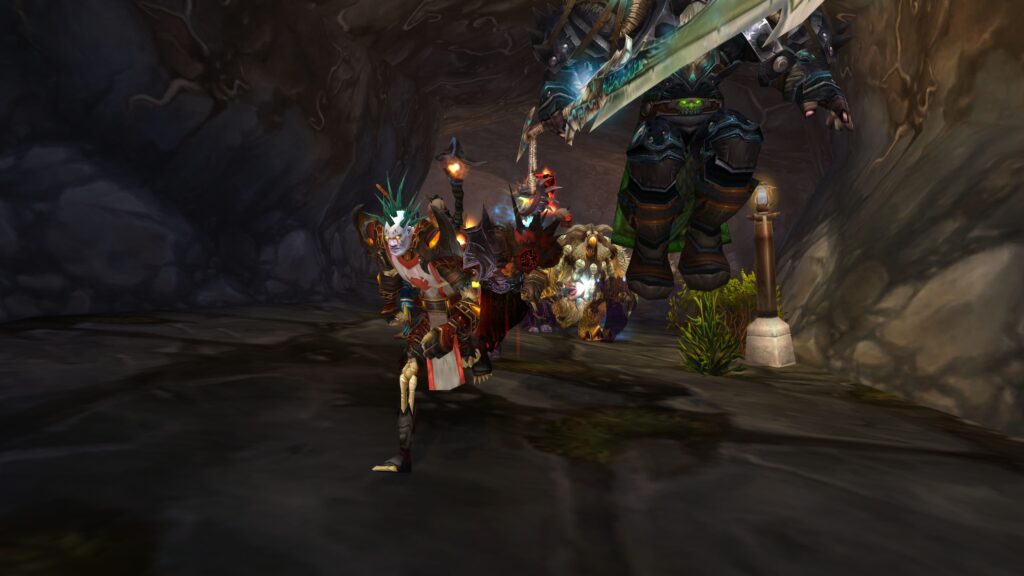
Raid awareness refers to a player’s ability to monitor mechanics, track cooldowns, and position themselves correctly.
- Train your eyes to watch the whole screen, not just damage meters.
- Use add-ons to reduce information overload, such as WeakAuras.
- Develop movement habits to avoid standing in deadly mechanics.
- Anticipate boss mechanics instead of reacting late—knowing when damage is coming allows for better pre-planning.
Optimizing Damage and Healing Rotations
As difficulty increases, proper class optimization becomes essential. Every player should:
- Master their ability rotation to maximize DPS or healing output.
- Learn how to use cooldowns effectively during burn phases.
- Analyze their performance using Warcraft Logs to identify areas for improvement.
Dealing with Raid Wipes and Team Morale
Even the best teams wipe multiple times on difficult encounters. The key to progression is learning from mistakes and improving.
- Stay positive and keep morale high—frustration leads to sloppy execution.
- Identify what went wrong—was it positioning, damage output, or missed mechanics?
- Communicate effectively—constructive feedback helps everyone improve.
Mythic raiding requires resilience, adaptability, and teamwork to overcome the game’s toughest challenges.
Avoiding Common Beginner Mistakes in Raiding
New raiders often struggle with avoiding mechanics, positioning, and understanding fight phases. Recognizing and correcting these mistakes will significantly improve your raiding experience.
1. Ignoring Boss Mechanics and Tunnel Visioning DPS
One of the biggest mistakes new raiders make is focusing solely on their damage output (DPS meters) while ignoring mechanics. No matter how much damage you deal, if you stand in lethal AoE attacks, ignore interrupts, or fail to move when required, you will cause wipes.
To avoid this, prioritize fight mechanics over personal DPS. A live player dealing moderate damage is better than a dead player who dealt high DPS for 10 seconds before dying.
2. Not Using Defensive Cooldowns Properly
Many players underestimate the importance of personal defensive cooldowns. Abilities like Ice Block (Mage), Cloak of Shadows (Rogue), and Astral Shift (Shaman) can save lives during high-damage phases.
Learning when to use defensive cooldowns without waiting for healers to bail you out will make you a far more reliable raider.
3. Not Communicating Effectively
Good communication is critical in raiding. If you’re assigned a specific job, like interrupting an ability or handling an add, speak up if you need help. Silence in a raid group leads to miscommunication, missed mechanics, and preventable deaths.
Use voice chat (Discord, TeamSpeak) or raid warning macros to make sure you’re aligned with the raid leader’s strategy.
4. Failing to Manage Threat Properly
Unlike dungeons, where tanks generate high threat naturally, some bosses in raids require precise threat management. If a DPS player attacks too soon before the tank establishes aggro, they can pull the boss away, causing chaos.
Always watch your threat levels and use threat-dropping abilities like Feign Death (Hunter) or Vanish (Rogue) if necessary.
Leadership in Raiding: Becoming a Raid Leader
For those who enjoy strategy, coordination, and guiding a team, stepping into a raid leadership role can be a challenging but rewarding experience.
1. Understanding Every Encounter Before Leading
A good raid leader must fully understand each boss fight before attempting it. This means:
- Watching guides and reading strategy breakdowns before raid night.
- Explaining mechanics clearly to the team—a raid leader should be able to break down a fight into simple, actionable instructions.
- Adjusting strategies if the current approach isn’t working.
2. Keeping Raid Morale High
Raiding can be frustrating, especially when progressing on Heroic or Mythic bosses. Wipes happen, but a raid leader’s attitude can make or break the team’s morale.
Instead of getting angry or blaming players, a good raid leader should:
- Encourage players after a close attempt (“That was a great pull, we’re getting closer!”).
- Offer constructive feedback rather than yelling (“We need to move out of fire faster” rather than “Stop standing in fire, you idiots!”).
- Know when to call a break—if morale is low, taking a 5-minute break can refresh the team’s energy.
3. Assigning Raid Roles Efficiently
A raid leader must assign roles based on player strengths. Some players excel at handling mechanics, while others are better at raw damage output. Knowing who should interrupt, who should soak damage, and who should call mechanics is essential to success.
Great leaders trust their team, delegate responsibilities, and create an environment where everyone feels valued.
Advanced Raid Preparation: How to Min-Max Your Performance
For players looking to push beyond casual raiding and enter high-end Heroic and Mythic content, fine-tuning every aspect of performance is necessary.
1. Fine-Tuning Gear Optimization
At higher levels of raiding, having the right gear isn’t enough—players must optimize every piece of gear for maximum effectiveness.
- Use simulation tools like Raidbots to determine the best gear choices.
- Choose the best secondary stats based on your specialization (e.g., Haste vs. Mastery for DPS).
- Balance set bonuses with individual item strength—sometimes a high-stat item is better than completing a 4-piece set bonus.
2. Analyzing Personal Performance with Warcraft Logs
Many high-end raiders use Warcraft Logs to analyze their performance. This tool allows players to:
- Compare their damage/healing against top players of their class.
- Identify where they lost uptime on their rotation.
- See exactly how they died to prevent the same mistake in future pulls.
By reviewing logs after each raid, players can make incremental improvements that lead to better performance over time.
3. Understanding Damage Windows and Cooldown Syncing
Top-tier DPS players don’t just use their abilities randomly—they align cooldowns with boss vulnerabilities to maximize damage output.
- Stacking burst abilities with Bloodlust/Heroism ensures higher total raid DPS.
- Holding cooldowns for a major phase transition (e.g., burn phases) can be better than using them on cooldown.
Coordinating with other players in your raid to time cooldowns correctly can significantly increase efficiency.
Loot Distribution in Raiding: How It Works
Loot systems in WoW raiding can vary by guild or group, but there are a few common systems used in organized raids.
1. Personal Loot
In modern WoW, Personal Loot is the standard system, where bosses drop items directly to individual players at random. However, some raid groups allow players to trade loot they don’t need to others in the team.
2. Loot Council
Some progression guilds use Loot Council, where a small group of officers decides who gets which gear based on raid performance, attendance, and role needs. This system ensures loot is distributed to benefit the team rather than just random luck.
3. DKP (Dragon Kill Points)
DKP is a classic loot system where players earn points for attending raids and spending them on gear upgrades. This system rewards consistent participation and contribution.
Each system has its advantages, and understanding how loot works in your raid team helps avoid misunderstandings and disputes.
Long-Term Benefits of Raiding in WoW
Beyond earning powerful gear, raiding offers many long-term benefits that improve a player’s experience in WoW.
1. Skill Development
Raiding teaches advanced combat mechanics, reaction speed, and teamwork, making players better at all aspects of the game, including Mythic+ dungeons and PvP.
2. Community and Friendships
Many players find lifelong friends and gaming communities through raiding. Joining a dedicated raid team often leads to lasting in-game relationships.
3. Prestige and Achievements
Clearing high-end content awards titles, mounts, and cosmetic rewards that showcase a player’s dedication and skill. Achievements like Cutting Edge (Mythic Completion) or AOTC (Ahead of the Curve, Heroic Completion) mark highly skilled raiders.
Final Thoughts: Becoming a Top-Tier Raider in WoW
Raiding in World of Warcraft is one of the most engaging and rewarding aspects of the game. Whether you’re just starting out or pushing for Mythic progression, the key to success lies in preparation, communication, and continuous self-improvement.
By following this WoW raiding guide, understanding how to start raiding WoW, and developing raid awareness, performance optimization, and teamwork skills, any player can rise to become a respected and skilled raider.
Now, step into the raid, defeat legendary bosses, and carve your name into Azeroth’s history!