Introduction: The Brutal Legacy of Classic WoW Raids
When World of Warcraft launched in 2004, its 40-man raids defined the endgame experience for players. These massive encounters weren’t just about mechanics—they were grueling tests of coordination, preparation, and endurance. Unlike today’s raids, which are polished and highly scripted, Classic WoW’s toughest raids were often chaotic, punishing, and required weeks (or even months) to complete.
The difficulty of Classic raids wasn’t just about mechanics—it was about logistics, resource management, and raid discipline. Getting 40 players attuned, properly geared, and in sync for long fights was a monumental challenge.
In this article, we’ll break down the hardest Classic WoW raids, analyzing what made them so punishing, how they challenged players, and why they are still legendary today.
1. Molten Core: The First Major Raid Challenge
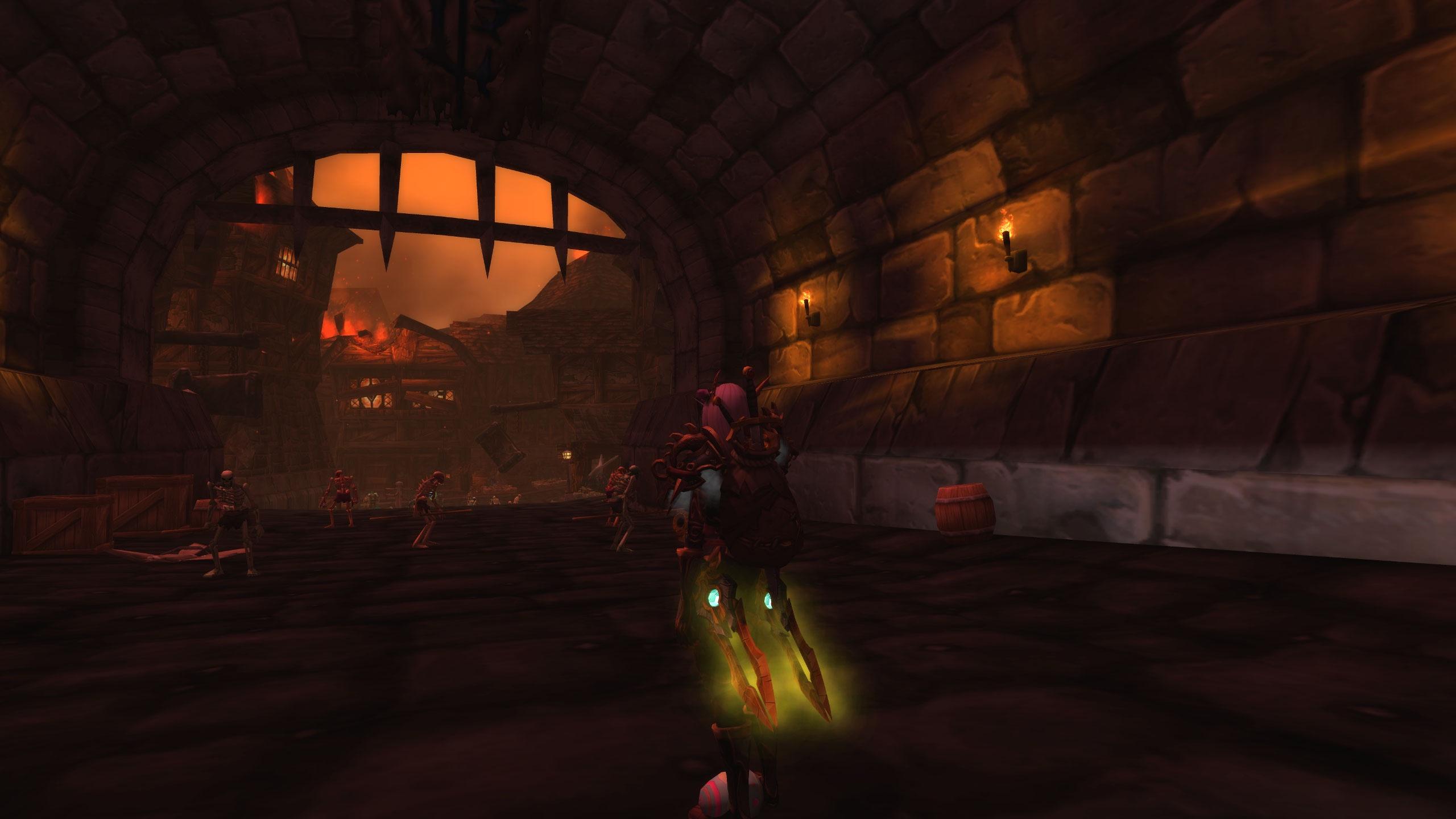
As WoW’s first-ever 40-man raid, Molten Core (MC) was the birthplace of high-end PvE in World of Warcraft. While its mechanics were relatively simple compared to later raids, it was brutally unforgiving due to the game’s limited gear, resistance checks, and raid-wide coordination requirements.
Why Molten Core Was Tough

✔ Fire Resistance Farming – Raids needed weeks of preparation, grinding fire-resistant gear to survive Ragnaros’ fire-based attacks.
✔ Endurance-Based Fights – Encounters like Gehennas and Golemagg tested a raid’s ability to sustain damage over long fights.
✔ 40-Man Organization – Since WoW was still new, most players had never coordinated with this many people before.
Ragnaros, the final boss, was one of the most epic fights of Classic WoW, setting the standard for future raid finales.
2. Blackwing Lair: A Test of Execution and Gear Checks
Blackwing Lair (BWL), added in Patch 1.6, was a massive leap in difficulty from Molten Core. Boss fights became more complex, requiring better execution, stronger gear, and perfect coordination.
Why BWL Was a Nightmare for Many Guilds
✔ Vaelastrasz the Corrupt – An early DPS race that required players to deal damage at full power before exploding.
✔ Chromaggus’ Breath Attacks – Forced players to manage resistances, or they would wipe instantly.

✔ Nefarian’s Class Calls – One of the first truly dynamic mechanics, where Nefarian disabled certain classes at random, forcing the raid to adapt in real time.
BWL proved that raiding in WoW wasn’t just about numbers—it was about teamwork, awareness, and precise execution.
3. Ahn’Qiraj (AQ40): The Ultimate War Effort and Coordination Nightmare
The Temple of Ahn’Qiraj (AQ40) was unlike any raid before it. Instead of simply walking in and killing bosses, players had to complete a massive, server-wide war effort to unlock the raid itself.
Why AQ40 Was a Challenge Unlike Any Other
✔ The War Effort – Before raiding AQ40, entire servers had to gather resources for weeks to open the gates.
✔ The Twin Emperors Fight – Required perfect coordination, as the two bosses healed each other if they weren’t tanked separately.
✔ C’Thun, the “Unkillable” Boss – Originally, C’Thun was impossible to defeat due to unbalanced mechanics. Blizzard had to patch the fight before players could complete it.
AQ40 introduced new levels of mechanical complexity and was one of the longest, most grueling raids in Classic.
4. Naxxramas: The Ultimate Raid of Classic WoW
The original Naxxramas (Naxx40), introduced in Patch 1.11, was so difficult that less than 1% of players completed it before The Burning Crusade launched.

Why Naxxramas Was the Hardest Raid in Classic
✔ The Four Horsemen – A multi-tank fight that required constant tank swapping and positioning perfection.
✔ Loatheb’s Healing Restrictions – Healers could only cast healing spells once per minute, making every decision critical.
✔ Kel’Thuzad’s Final Phase – A raid-wiping mechanic that forced players to react instantly or be wiped out.
Naxxramas was so difficult that many guilds never even saw Kel’Thuzad before the expansion ended.
5. The Lasting Impact of Classic 40-Man Raids on WoW’s Evolution
The toughest raids in Classic WoW were more than just mechanical challenges—they shaped how Blizzard designed future content, influencing raid structures, difficulty scaling, and accessibility.
A. The Shift Away from 40-Man Raids
By the end of Classic, it became clear that 40-player raids had logistical problems. The difficulty of:
- Organizing 40 players on a set schedule
- Ensuring every player had the right consumables, resistance gear, and world buffs
- Finding replacements for missing raid members without causing a wipe
led Blizzard to reduce raid sizes to 25-man in The Burning Crusade. This allowed for:

✔ More precise encounter balancing
✔ Easier guild management
✔ Greater individual player responsibility
However, Classic WoW’s massive raids remain legendary, as no other expansion captured the same scale of battle and coordination required to overcome these behemoth encounters.
B. How Classic Raid Boss Mechanics Influenced Modern WoW
Many mechanics that originated in Classic 40-man raids are still core features in modern encounters:
- Tank-swapping from The Four Horsemen evolved into modern taunt-swapping mechanics seen in bosses like the Lich King, Argus, and Jailer.
- Phase transitions in Ragnaros, C’Thun, and Nefarian became standard, with modern encounters like Raszageth and Sarkareth featuring even more complex multi-phase structures.
- DPS checks like Vaelastrasz and Patchwerk paved the way for hardcore enrage timers in modern Mythic raids.

These legacy mechanics prove that Classic’s raid design was ahead of its time, setting the standard for the high-end PvE challenges of the future.
C. The Return of Classic Raiding: Nostalgia or True Difficulty?
With WoW Classic and Season of Mastery, Blizzard has brought these legendary raids back, but modern players have cleared them much faster than their original versions.
Why?
- Players have more knowledge and guides than they did in 2004-2006.
- Modern tools like WeakAuras, DBM, and damage meters allow for better performance tracking.
- Faster leveling and gear acquisition mean players reach raid readiness quicker.
However, the difficulty of Classic raids wasn’t just about mechanics—it was about the social and logistical challenge of coordinating 40 people for high-stakes encounters. That element of Classic raiding will always be unique.
6. What Modern WoW Can Learn from Classic 40-Man Raids
While modern raids are more mechanically intricate, Classic WoW’s toughest raids offered challenges that modern WoW has largely moved away from. Some key lessons that Blizzard could bring back from Classic:
A. Resistance Gear and Preparation Requirements

Classic WoW required:
✔ Fire Resistance for Molten Core
✔ Shadow Resistance for AQ40
✔ Frost Resistance for Naxxramas
This forced players to prepare outside of the raid, making the experience feel bigger than just the boss fights. Modern WoW eliminated resistance gear, but a return to more meaningful pre-raid preparation could add depth.
B. More Large-Scale, Epic Battles
Classic’s 40-man raids felt truly grand, something that’s missing in modern smaller-group raiding.
Potential ideas:
✔ Larger-scale world events with raid-like mechanics
✔ Boss fights with more players in open zones
✔ Raids with split-group encounters, forcing multiple teams to coordinate (like The Twin Emperors in AQ40)
C. The Return of Guild-Centric Raiding
Modern WoW has shifted toward cross-realm, automated grouping, but Classic raids relied entirely on guild coordination.
✔ Guild-based attunements and progression
✔ Less reliance on automated matchmaking
✔ More incentives for long-term raid team building
These elements made Classic raiding feel more meaningful, something Blizzard might reintroduce in future expansions.
7. The Future of Classic Raiding and Potential New Challenges
With Classic WoW still popular, Blizzard has the opportunity to innovate on old content while maintaining its original difficulty and appeal.

A. Classic+ Content: Could We See New 40-Man Raids?
Some players have speculated that Blizzard could create new Classic-style content, introducing:
- Unused Vanilla raid concepts (like Karazhan Crypts or the Emerald Dream)
- Rebalanced versions of old raids with new mechanics
- Classic+—a fresh take on WoW’s original raid design philosophy
This could bridge the gap between Classic and Modern WoW, giving players the nostalgia of 40-man raiding with fresh challenges.
B. Timewalking 40-Man Raids for Retail WoW
One idea Blizzard could implement:
✔ A temporary Timewalking event where players experience 40-man raids at current difficulty
✔ Modern mechanics added to Classic fights to enhance the challenge
✔ Rewards for guilds that complete these massive raids
This would bring the epic scale of Classic raiding to a modern audience, while allowing new players to experience WoW’s most historic battles.
Final Thoughts: The Immortal Legacy of WoW Classic 40-Man Raids
The toughest raids in Classic WoW weren’t just difficult—they were unforgettable experiences that shaped the MMO genre.
✔ Molten Core introduced large-scale raiding and resistance mechanics.
✔ Blackwing Lair refined execution-based fights with Nefarian’s class calls.
✔ Ahn’Qiraj brought server-wide events and coordination-heavy encounters.
✔ Naxxramas tested the limits of Vanilla WoW’s difficulty, remaining an ultimate endgame challenge.
Even as WoW evolves, Classic’s most brutal raids continue to be legendary, proving that sometimes, the toughest battles are the ones we remember the most.