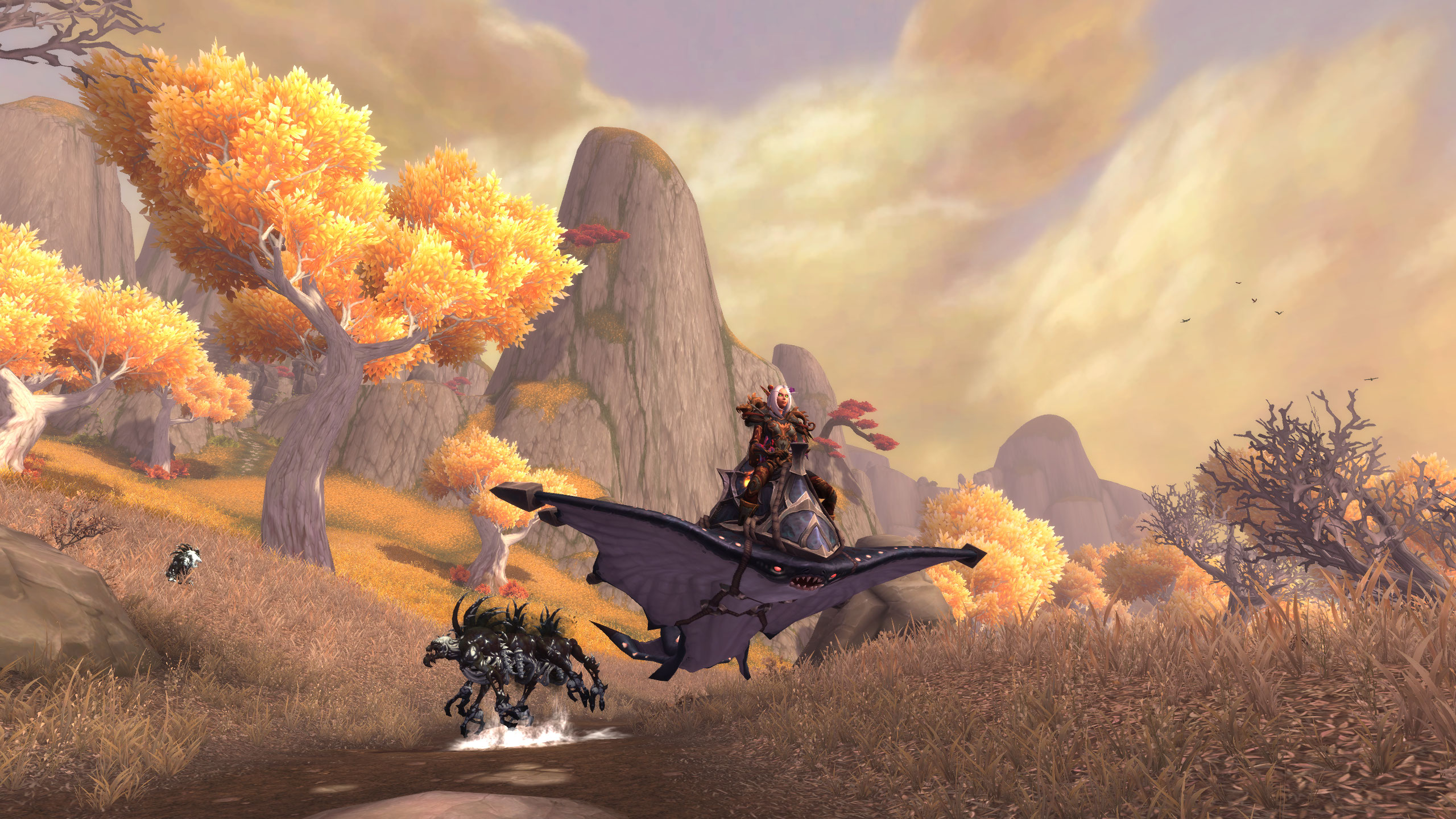
Since its launch in 2004, World of Warcraft (WoW) has become a cornerstone of the MMORPG genre, shaping not only gaming culture but also the way we experience virtual worlds. Over the years, Azeroth has undergone immense changes, from its geography and lore to its mechanics and social structures. In this article, we’ll explore how WoW has evolved and the lasting legacy it has left on the gaming world.
The Birth of Azeroth: Vanilla WoW
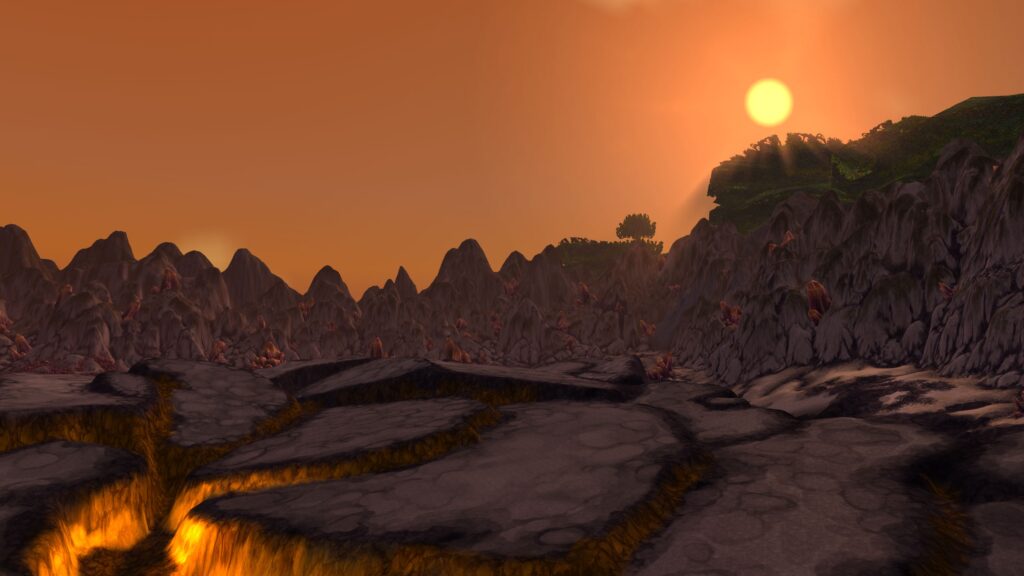
In 2004, World of Warcraft introduced players to Azeroth—a vast, immersive world filled with rich lore, challenging dungeons, and large-scale raids. Vanilla WoW was a game built around a slower, grind-heavy experience, where leveling was an epic journey and player progression was a testament to time and dedication.
Key Features of Vanilla WoW:
- Massive World: Players could explore the massive, open world of Azeroth with few restrictions, but also faced challenges such as long travel times and limited quest markers.
- Endgame Focus: Endgame content like raids (Molten Core, Onyxia’s Lair) defined the game, with high difficulty requiring coordinated group effort.
- Community-Centric: Guilds, socializing, and cooperation were crucial as players spent hours interacting and working together to defeat tough content.
Vanilla WoW left players with a deep sense of discovery, exploration, and achievement—though it also created a divide between casual and hardcore players.
The Rise of Expansions: Burning Crusade and Wrath of the Lich King
As WoW’s first expansions, The Burning Crusade and Wrath of the Lich King expanded both the world and the gameplay, introducing new races, dungeons, and mechanics. These expansions set a new standard for future content and laid the groundwork for Azeroth’s continued evolution.
Highlights of These Expansions:
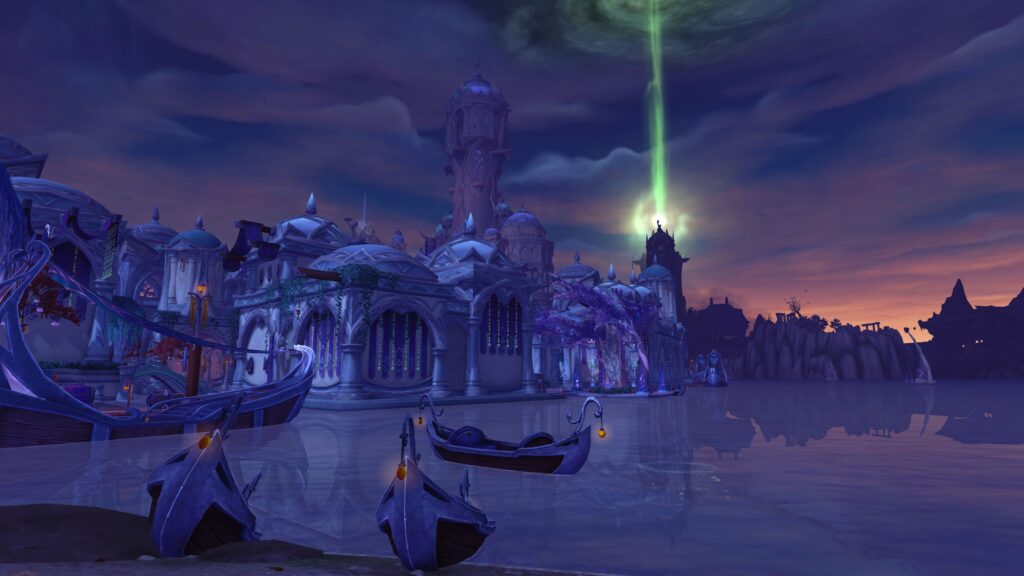
- The Burning Crusade (TBC): Players could explore the shattered world of Outland, encountering the Burning Legion and new hero classes like the Blood Elf Paladins and Draenei Shamans.
- Wrath of the Lich King (WotLK): The storyline focused on the rise of the Lich King, bringing players to Northrend to confront one of WoW’s most iconic villains. The expansion also introduced the Death Knight class.
These expansions marked a major turning point in Azeroth’s story, adding complexity to the lore and providing more accessible content to players of all types.
Cataclysm and the Reshaping of Azeroth
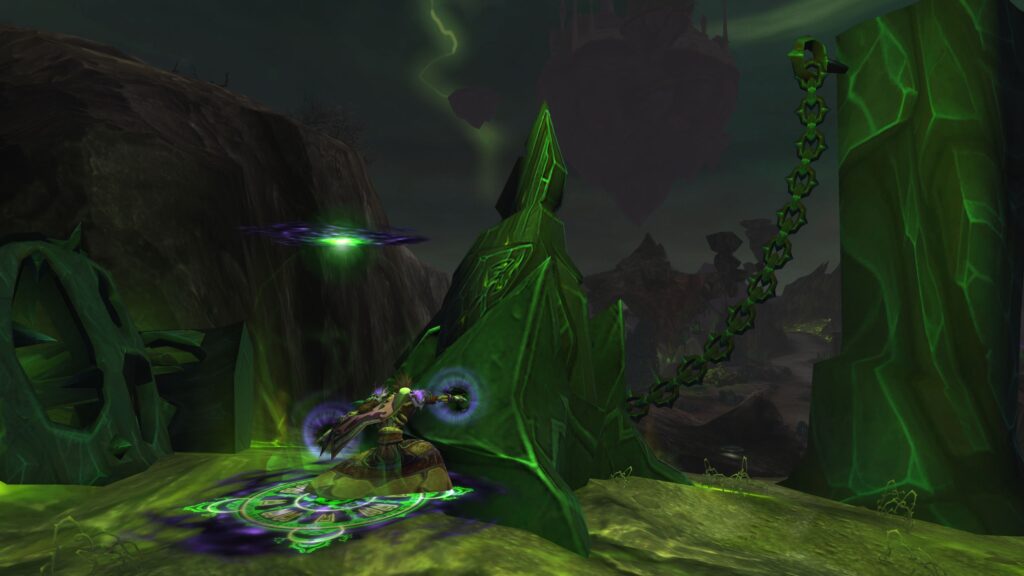
In 2010, the Cataclysm expansion revolutionized Azeroth’s physical landscape, with the world being torn apart by the return of Deathwing. Entire zones were destroyed or altered, reshaping the environment and offering players a fresh take on old content.
Changes in Cataclysm:
- World Changes: Zones like the Barrens, Westfall, and Stranglethorn Vale were reworked, with new questlines and unique environmental storytelling.
- Introduction of New Races: Goblins and Worgen were added as playable races, each with their own lore and starting areas.
- Heroic Dungeons and Raids: More challenging dungeons and raids, such as the Firelands and Throne of the Four Winds, kept players engaged with tougher content.
Cataclysm’s changes represented a bold move to refresh Azeroth, but the destruction also left a bittersweet feeling for players attached to the old world.
The Modern Era: Mists of Pandaria to Shadowlands
As WoW entered its later expansions, Azeroth continued to evolve in terms of both gameplay mechanics and storytelling. The focus shifted to new worlds, deeper character development, and accessibility for a wider audience.
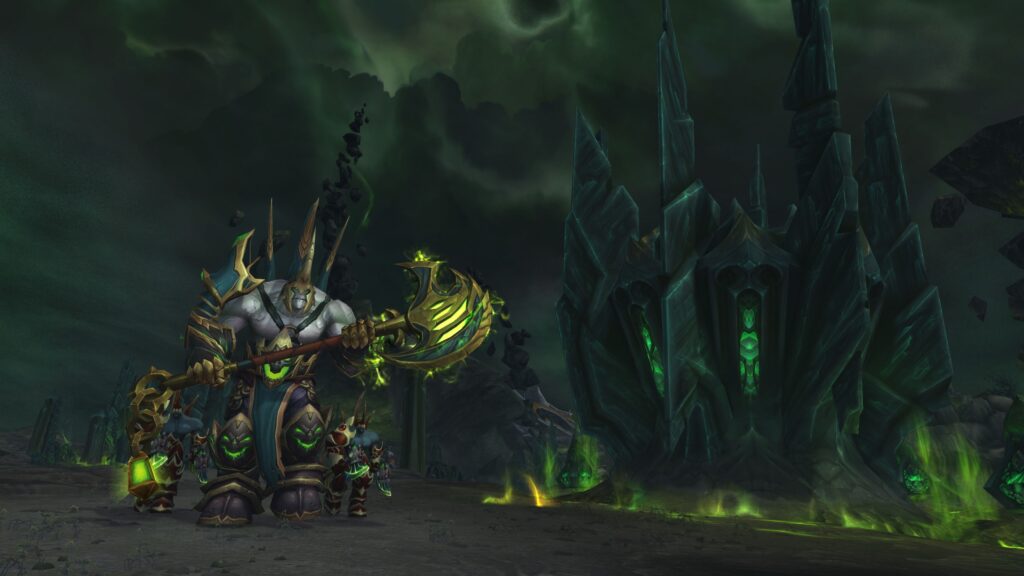
Key Expansions in the Modern Era:
- Mists of Pandaria: Introduced the Pandaren race, a new continent, and the Monk class. The expansion also introduced the concept of “scenarios,” cooperative, story-driven content for smaller groups.
- Warlords of Draenor: Focused on alternate timelines and introduced garrisons, giving players a personalized base of operations.
- Legion: The Burning Legion returned as the central threat, and the expansion introduced the Demon Hunter class, as well as the Artifact weapon system.
- Shadowlands: Delved into the realms of the dead, providing new zones like Bastion, Ardenweald, and Revendreth, each with their own rich backstory and objectives.
These expansions reflected WoW’s ongoing focus on evolving the world of Azeroth, exploring new lore, and adapting gameplay to suit the demands of modern players.
The Legacy of Azeroth: What the Future Holds
With each expansion, WoW has continued to innovate and adapt, introducing new mechanics, zones, and narratives while preserving the core experience that players love. As we look to the future, it’s clear that Azeroth will continue to evolve in response to both technological advancements and player expectations.
What’s Next for Azeroth?
- Future Expansions: Azeroth’s story is far from over, with new threats looming and new characters to meet.
- Innovative Gameplay Features: The continued evolution of systems like Mythic+ dungeons, cross-faction play, and expanding customization options ensure that there’s always something new to experience.
Whether you’ve been playing since the early days or have just started your journey in Azeroth, WoW’s legacy is undeniable. It’s a world that’s continually shaped by its players, its developers, and the stories that bind them together.
Conclusion
The legacy of Azeroth is one of constant transformation, as WoW evolves to meet the needs of its ever-growing player base. From the earliest days of Vanilla WoW to the expansive worlds of modern expansions, WoW has proven itself to be more than just a game—it’s a living, breathing world that has shaped gaming culture for nearly two decades. As the game continues to evolve, it’s clear that Azeroth’s journey is far from over, and players can look forward to many more years of exploration, adventure, and discovery.
Home