Raid difficulty curves have steadily shifted away from rewarding short bursts of exceptional output and toward valuing consistent execution across entire encounters. Modern raids are structured so that success depends on sustained performance rather than isolated moments of brilliance.
This design philosophy changes how players evaluate improvement. Instead of chasing peak numbers during specific windows, teams focus on reducing errors, maintaining uptime, and executing mechanics reliably from pull to pull.
Difficulty Scales Through Attrition, Not Spikes
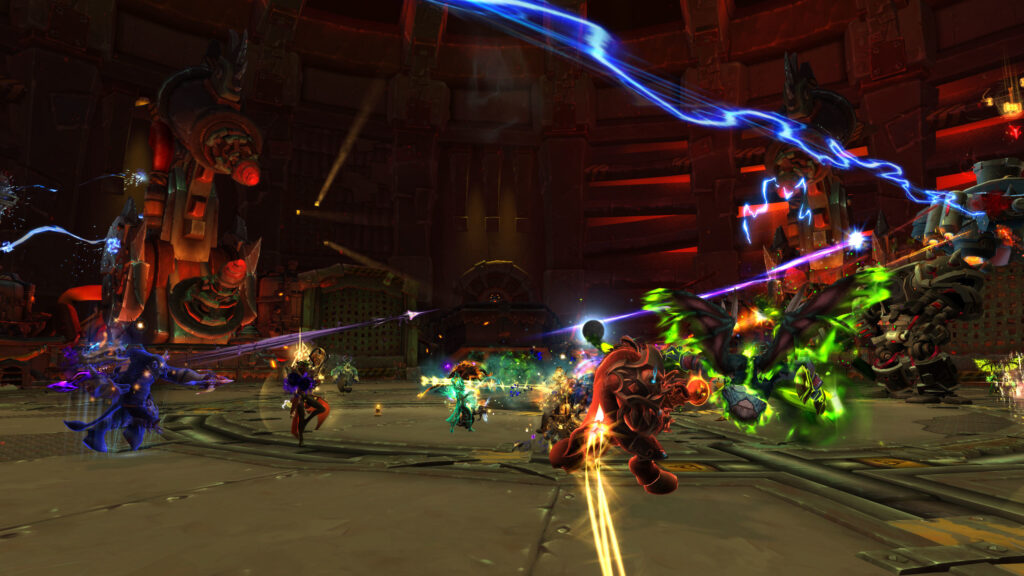
Many encounters apply pressure gradually, layering mechanics over time instead of relying on single overwhelming moments. This approach tests whether groups can maintain discipline as fights progress.
As fatigue sets in, small mistakes become more likely. Difficulty curves expose inconsistency by punishing lapses late in encounters rather than early failures.
Consistency Protects Against Compounding Errors

Inconsistent play creates cascading problems. Missed mechanics force defensive cooldowns early, which then leaves the group vulnerable during later phases.
Teams that play consistently preserve resources. This stability allows them to handle escalating pressure without improvisation.
Peak Output Loses Value Without Reliability
High burst damage or healing offers limited benefit if followed by downtime or deaths. Encounters are tuned to absorb short spikes while punishing sustained inefficiency.
Players who prioritize steady output and clean movement contribute more over the full duration of the fight than those chasing momentary highs.
| Performance Trait | Inconsistent Play | Consistent Play |
|---|---|---|
| Damage profile | Spiky | Stable |
| Cooldown usage | Reactive | Planned |
| Error recovery | Fragile | Resilient |
| Progression pace | Erratic | Reliable |
Consistency Accelerates Learning
Stable execution makes mistakes easier to identify. When most variables remain controlled, errors stand out clearly.
This clarity improves feedback loops, allowing teams to refine strategy faster instead of troubleshooting chaos.
Conclusion

Raid difficulty curves now reward consistency over peak output by emphasizing endurance, discipline, and repeatable execution.
Groups that embrace steady performance progress faster and build foundations that carry across entire raid tiers.